Why Spending Time Outdoors is Crucial for Young Children’s Development and Well being
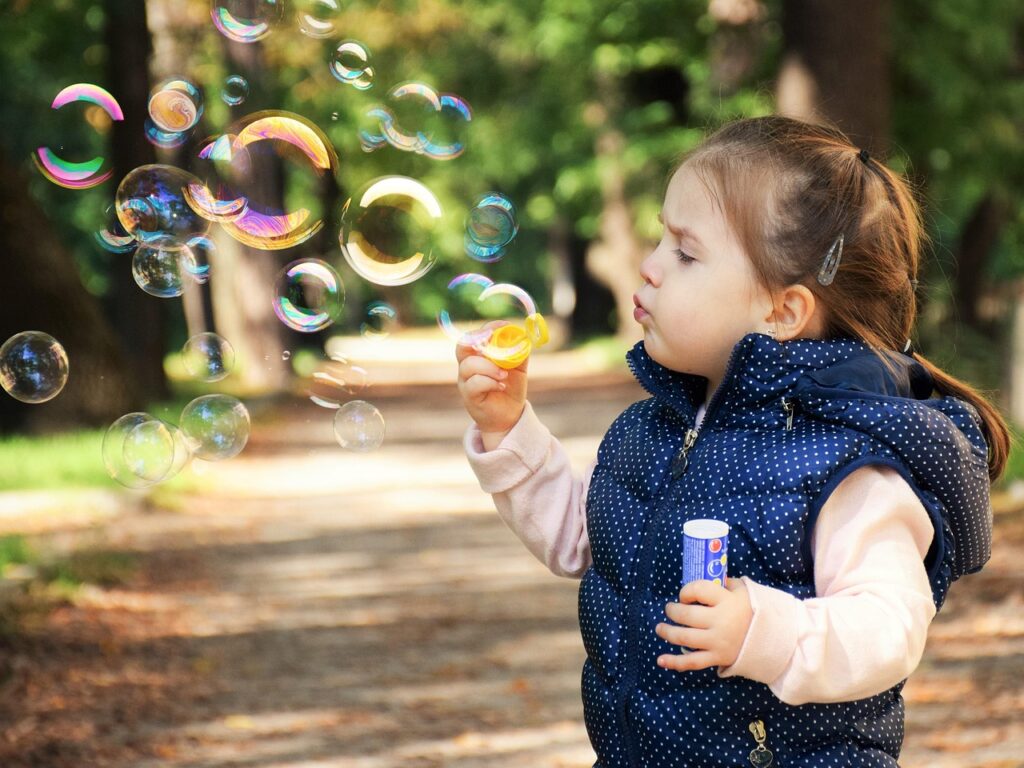
As parents, we’re always looking for ways to support the physical, emotional, and cognitive development of young children. One often-overlooked but essential aspect of preschool education is outdoor play. In this post, we’ll explore the importance of spending time outdoors in early childhood education.
Why Outdoor Play Matters
Research has consistently shown that outdoor play is a vital component of a well-rounded childhood. When children spend time outside, they’re exposed to a wealth of experiences and stimuli that help shape their understanding of the world. Here are just a few reasons why outdoor play is essential for preschoolers:
Physical Development: Outdoor play provides an opportunity for children to engage in physical activity, such as running, climbing, and jumping. This helps develop their gross motor skills, coordination, and overall fitness.
Sensory Stimulation: Nature offers a diverse range of sights, sounds, smells, tastes, and textures that stimulate a child’s senses. Outdoor play allows children to explore and engage with their environment in a way that’s both fun and educational.
Social Skills: Playing outside helps children develop essential social skills like cooperation, communication, and conflict resolution. They learn to work together, take turns, and resolve disputes in a healthy and respectful manner.
Emotional Intelligence: Spending time outdoors has been shown to have a positive impact on children’s emotional well being. Being in nature can help reduce stress levels, boost mood, and promote feelings of calm and relaxation.
Benefits for Young Children
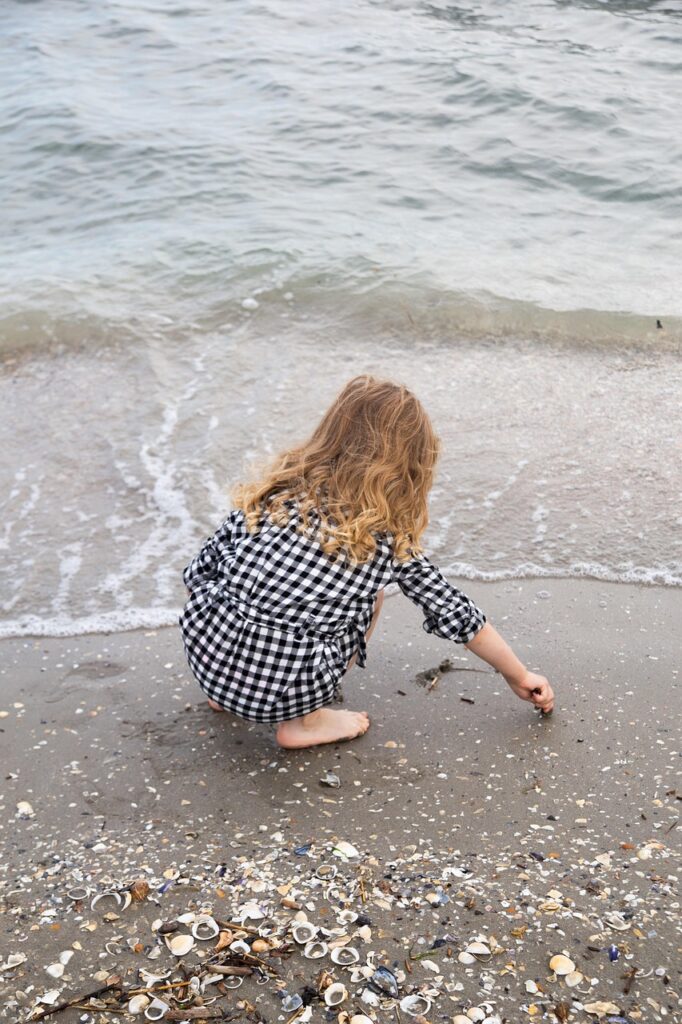
The benefits of outdoor play extend far beyond the individual child. By prioritizing outdoor education, we’re creating a healthier, happier, and more resilient population of young people. Here are just a few ways that outdoor play can benefit children:
Improved Academic Performance: Research has shown that children who spend time outdoors tend to perform better academically. Outdoor play helps develop critical thinking skills, creativity, and problem-solving abilities.
Reduced Antisocial Behavior: Children who engage in outdoor play are less likely to exhibit antisocial behavior like aggression or violence. Playing outside helps them develop essential social skills and build positive relationships with peers.
Increased Self-Awareness: Spending time outdoors can help children develop a greater sense of self-awareness, confidence, and self-esteem. They learn to take care of themselves, set boundaries, and make healthy choices.
How Can We Prioritize Outdoor Play in Preschool Education?
So, how can we ensure that our preschoolers are getting enough outdoor playtime? Here are some practical tips:
Create a Safe Outdoor Space: Ensure that your playground or outdoor space is safe, well-maintained, and free from hazards.
Encourage Exploration: Provide opportunities for children to explore their surroundings, investigate natural phenomena, and engage with the environment.
Make It Fun: Incorporate games, activities, and challenges that encourage physical activity, social interaction, and creative play.
Conclusion
In conclusion, outdoor play is a vital component of preschool education. By prioritizing time spent outdoors, we’re giving children the opportunity to develop essential skills, build positive relationships, and cultivate a love for nature and exploration. So next time you’re planning a day with your child, remember the importance of getting outside and making some memories!
Additional Resources:
- American Academy of Pediatrics (AAP) – “Physical Activity”
- Centers for Disease Control and Prevention (CDC) – “Physical Activity in Children”
- National Association for the Education of Young Children (NAEYC) – “Outdoor Play in Early Childhood”